
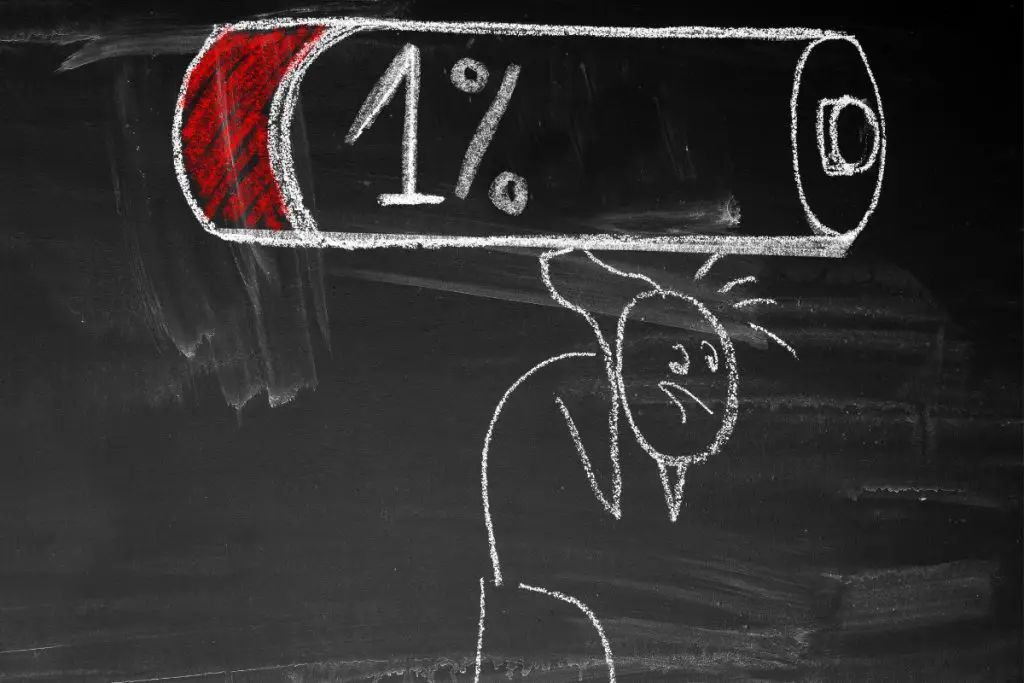
Burnout is a state of chronic physical, emotional, and mental exhaustion caused by prolonged stress, often related to work or life pressures. Recognizing the signs of burnout early is critical to prevent serious health issues such as depression, anxiety, or chronic fatigue. This guide highlights the most common indicators and offers strategies to manage and prevent burnout effectively.
Common Signs You Are Experiencing Burnout
1. Persistent Fatigue and Low Energy
Feeling constantly exhausted despite adequate rest is a primary sign of burnout. Energy depletion affects both work efficiency and personal life.
2. Decreased Productivity and Focus
Burnout reduces concentration, motivation, and the ability to complete tasks on time. Small tasks may feel overwhelming, and procrastination increases.
3. Emotional Detachment and Cynicism
You may feel disconnected from work or personal life, showing signs of irritability, cynicism, or lack of enthusiasm for previously enjoyable activities.
4. Physical Symptoms
Burnout can manifest physically through headaches, muscle tension, digestive issues, or frequent illnesses due to a weakened immune system.
5. Sleep Problems
Difficulty falling asleep, staying asleep, or experiencing restless sleep are common in individuals experiencing burnout.
6. Mood Swings and Irritability
Emotional instability, anxiety, or frequent irritability are common, affecting relationships with colleagues, friends, and family.
7. Loss of Motivation and Interest
Tasks and hobbies that once provided satisfaction may feel uninteresting or burdensome. Burnout drains intrinsic motivation.
8. Feeling Overwhelmed and Ineffective
A sense of constant pressure, inability to meet expectations, or feeling that your work doesn’t matter are key mental signs of burnout.

Causes of Burnout
Excessive workload and long working hours
Lack of control over work or personal life
Poor work-life balance
Unclear job expectations
High-stress environments
Emotional strain from responsibilities
Tips to Manage and Prevent Burnout
Take regular breaks during work to recharge
Set clear boundaries between work and personal time
Practice mindfulness, meditation, or yoga
Prioritize tasks and delegate when possible
Maintain a healthy lifestyle with proper sleep, nutrition, and exercise
Seek professional help if symptoms persist
Conclusion
Burnout is more than simple stress — it can impact your health, productivity, and relationships. Recognizing the early signs of burnout and implementing self-care, lifestyle changes, and professional support can restore balance, energy, and well-being in both personal and professional life.
ALSO READ: How to Build a Healthy Work-Life Balance