Why Indians Are Travelling More in 2026: Travel in India is changing. A holiday is no longer something people necessarily save for a birthday, anniversary, festival or long weekend. Increasingly, travellers are finding reasons to get away in the middle of everyday life.
A new survey commissioned by Booking.com in partnership with YouGov highlights this shift, revealing that Indian travellers are increasingly taking trips for personal reasons, spontaneous decisions and surprisingly ordinary situations.
According to the survey, 58% of Indian travellers said they had taken a trip simply because they wanted to.
From celebrating small achievements to escaping household noise, these changing habits offer an interesting glimpse into the Indian travel trends shaping 2026.
Travel Is Becoming an Everyday Escape
Traditionally, holidays were linked to major occasions. Families planned vacations around school holidays, couples travelled for anniversaries and groups waited for long weekends.
Today, the motivation can be much simpler.
Travellers may book a short break because they need a change of environment, want to celebrate something personal or have discovered a destination they suddenly want to experience.
The rise of online travel booking has also made spontaneous getaways easier to organise. A short break doesn’t always require months of planning.

Small Achievements Are Becoming Reasons to Celebrate
One of the most interesting findings from the survey is the number of people using travel to celebrate everyday accomplishments.
Around 61% of respondents said they had booked a trip to celebrate small wins.
These wins don’t necessarily have to be major life events. Completing a challenging project, reaching a fitness target or simply getting through a difficult week can be enough motivation.
This reflects a wider shift towards recognising personal progress.
Instead of waiting for a promotion or milestone birthday, travellers are increasingly asking themselves why smaller achievements shouldn’t deserve a celebration too.
Bad Weather Can Be Enough to Trigger a Trip
Sometimes, the reason for travelling is simply that the weather at home isn’t cooperating.
The survey found that 57% of respondents said they had travelled because they liked the atmosphere or “vibe” of a destination, particularly when conditions back home were less appealing.
This can be especially relevant for short domestic breaks. A traveller doesn’t necessarily need to cross the country for a holiday. A nearby destination with pleasant weather, scenic surroundings or a lively food and cultural scene can provide the change they are looking for.
Escaping Household Noise
Home isn’t always the most peaceful place.
Renovation work, construction and noisy neighbours can turn a normal weekend into an exercise in patience. According to the survey, 46% of Indian respondents said they had travelled to get away from drilling, renovations or noisy neighbours.
For some people, a short hotel stay or weekend trip can become a temporary escape from an otherwise stressful home environment.
It may sound like an unusual reason to travel, but it illustrates how holidays are increasingly being used as quick lifestyle resets.
Family Visits Can Also Influence Travel Plans
Family occasions have traditionally brought people together, but extended visits can sometimes encourage people to make other plans.
The survey found that 28% of Indian travellers had booked a trip because their in-laws were staying for an extended period.
Meanwhile, 50% said they had travelled to avoid social obligations, including events such as family gatherings or dinners.
While these findings are presented humorously, they also show how travel decisions can be shaped by everyday social pressures rather than conventional holiday calendars.
Travel After Heartbreak or Major Life Changes
Not every trip starts with a celebration.
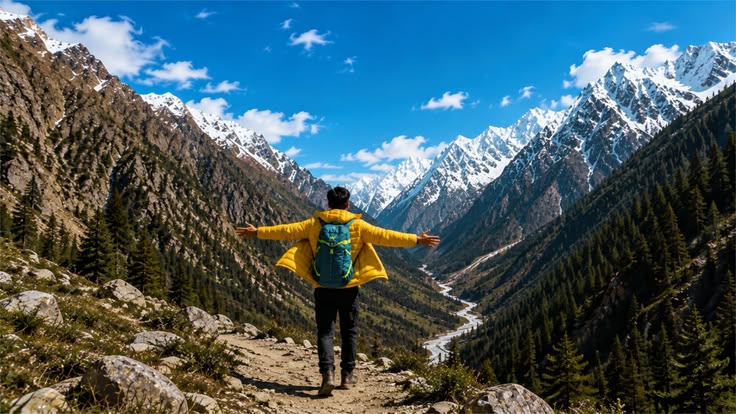
For some travellers, getting away can be part of dealing with a significant emotional change. A breakup, grief or a difficult period in life can create a desire to step away from familiar surroundings.
Changing the environment can provide time to reflect, explore a different routine or simply experience something new.
Popular culture has frequently portrayed travel as a way of finding independence and perspective after major life changes. However, travelling should not be seen as a replacement for professional or personal support when someone is dealing with serious emotional difficulties.
Payday Can Mean More Than a Salary Credit
For some people, payday isn’t just about paying bills or planning monthly expenses.
The survey found that 16% of respondents had booked a trip because it was payday.
With flights, hotels and experiences available online, it is easier than ever to go from “I need a break” to actually planning one.
However, spontaneous travel is still best approached with some financial planning. Checking the complete cost of transport, accommodation, food and activities before booking can help prevent an enjoyable getaway from turning into an expensive surprise.
The Post-Holiday Blues May Lead to Another Trip
Interestingly, travel can sometimes create the desire to travel again.
About 20% of respondents said they had taken another trip to deal with post-holiday blues.
After returning from a memorable vacation, everyday routines can seem less exciting by comparison. Having another short break to look forward to may help some travellers maintain that sense of anticipation.
This also reflects the growing popularity of taking several shorter breaks instead of relying on one large annual vacation.
When Astrology Influences Travel Plans
Travel planning can also be influenced by personal beliefs.
According to the survey, 22% of respondents said an astrologer’s recommendation about an auspicious time to travel had influenced their decision to take a trip.
For some Indian travellers, factors such as festivals, auspicious dates and family traditions can be part of the holiday-planning process.
It is another example of how travel decisions can be influenced by factors beyond price, destination and available leave.
Why Spontaneous Travel Is Gaining Popularity
Several factors may be contributing to the popularity of shorter and more spontaneous holidays.
Easier online bookings
Travellers can compare flights, accommodation and activities from their phones, reducing the amount of preparation required.
More interest in short breaks
Not every trip needs to last a week or two. A two-day or three-day getaway can provide a change of pace without requiring extensive leave.
Experience-driven travel
Travellers are increasingly interested in food, culture, nature, wellness and local experiences rather than simply checking famous tourist attractions off a list.
Celebrating personal moments
People are becoming more comfortable creating their own reasons to celebrate, whether that means finishing a difficult task or simply needing some time away.
What These Travel Habits Mean for Indian Travellers
The changing reasons for travel suggest that the concept of a holiday is becoming more personal.
A trip doesn’t necessarily have to be connected to a major event. It can be about rest, curiosity, celebration or simply breaking away from routine.
For travellers, this could mean more frequent short getaways instead of waiting for one major annual vacation.
However, spontaneous doesn’t have to mean careless. Checking cancellation policies, comparing prices, planning transportation and setting a realistic budget can make last-minute travel considerably easier.
Travel Doesn’t Always Need a Big Reason
The biggest takeaway from these emerging Indian travel trends in 2026 may be surprisingly simple: people don’t always need an important occasion to go somewhere.
A personal achievement, a change in weather, a stressful week or even the desire to experience a different city can become the motivation.
As travel becomes more accessible and personalised, the traditional idea of a holiday may continue to evolve.
Perhaps the question is no longer, “What are you celebrating?”
Sometimes, the answer is simply: “I felt like getting away.”
ALSO READ
Postpartum Care After Delivery: 7 Essential Health Checks for New Mothers