

Walk down any lane in India, and you’re likely to spot a modest tea shop — a steaming cauldron, a few benches, snacks in glass jars, and the aroma of chai filling the air. These roadside stalls, whether called cha dokan, chaayakada, or chai tapris, are far more than caffeine stops. They are living rooms of the community, where friendships form, news spreads, debates spark, and ideas flourish.
As urban India embraces air-conditioned tea cafes and high-end lounges, the question arises: Is the humble tea shop still relevant?
The Origins of Tea Shop Culture
Tea in India started as a colonial luxury but soon became a daily ritual for the common man. By the early 20th century, roadside stalls emerged as democratic spaces where people from all walks of life gathered over cups of chai, often infused with regional spices.
Ankit Gupta, founder of Burma Burma, says, “Tea shop culture is more than drinking tea. It’s traditions, habits, and social practices unique to every culture.”
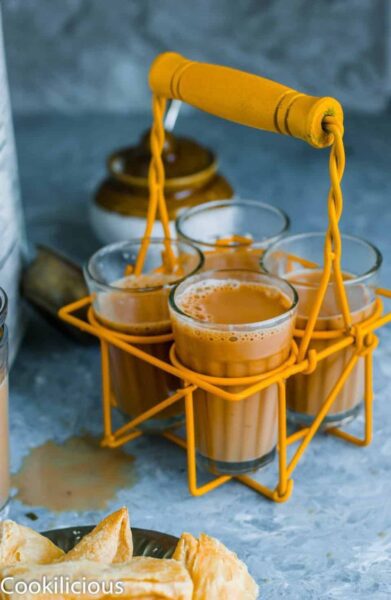
Brewing More Than Chai
For many, tea shops serve as cultural centers. Chef Regi Mathew of Kerala explains, “In the mornings, someone reads the newspaper aloud, discussions start, and ideas flow. It’s about community, not just food or drink.”
From Kolkata’s cha-er dokans to Kerala’s chaayakadas, these stalls thrive on connection, conversation, and shared rituals, with snacks like Marie biscuits, singaras, and ledua biscuits serving as props in these social interactions.
India and Southeast Asia: A Shared Tradition
Tea shop culture is not unique to India. In Southeast Asia, countries like Thailand, Malaysia, Myanmar, Vietnam, and Indonesia also cherish tea shops as communal hubs. From Thai milk tea and Malaysian teh tarik to Burmese lahpet, these spaces serve as venues for stories, friendships, and informal dining.
Gupta notes, “Everywhere in Burma, tea shops are living, breathing spaces of culture, where food and conversation go hand in hand.”
The Modern Tea Room vs. Corner Stall
Urban brands like Chaayos and Chai Point target young professionals with curated menus, WiFi seating, and takeaway chai. While efficient, they lack the human and cultural nuances of local tea stalls.
Mathew adds, “You can replicate the tea, but not the human element.” Gupta agrees: India now has premium lounges, modern tea cafes, and roadside stalls — each for a different audience. Yet, the corner tea stall remains the beating heart of the community.
Why It Still Matters
Tea shop culture endures because it’s about more than tea — it’s connection, camaraderie, and ritual. In an era of urban isolation, these humble stalls are sanctuaries of conversation, unpolished, unpretentious, and deeply human.
ALSO READ: The Indian Anti-Inflammatory Thali: A Complete Guide to Eating for Healing and Balance