
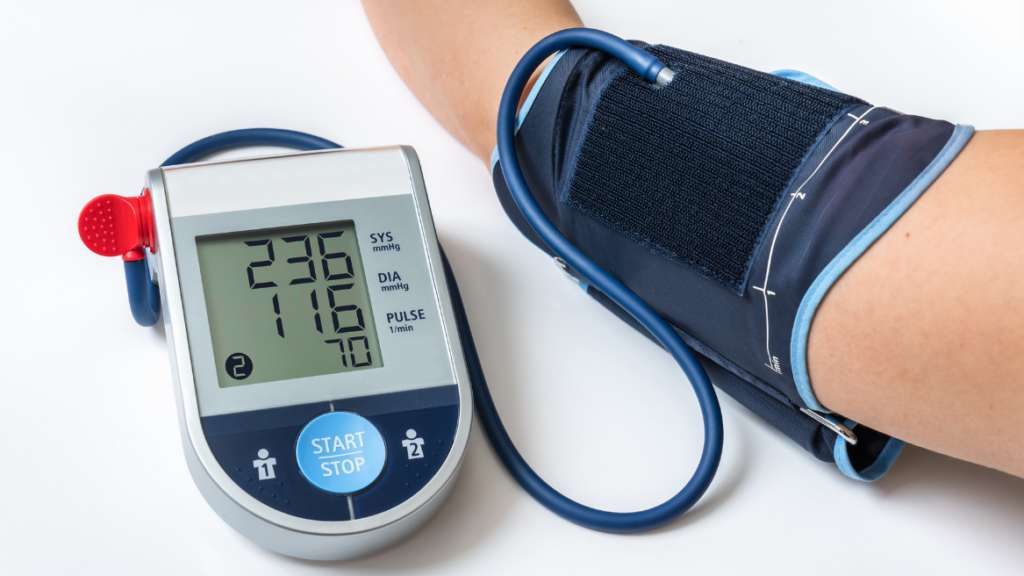
Heart surgeon shares a step by step guide to measure blood pressure at home accurately
Blood pressure remains one of the most critical indicators of heart health—and one of the most manageable risk factors for cardiovascular disease. Yet, inaccurate home measurements can lead to misleading results, delaying timely intervention.
A cardiothoracic surgeon with over 25 years of experience has outlined a precise, step-by-step method to help individuals measure their blood pressure correctly at home and track it more effectively over time.
Why accurate blood pressure monitoring matters
Hypertension often develops silently, with no obvious symptoms. Left unchecked, it significantly increases the risk of heart disease, stroke, and other complications. Regular and accurate monitoring at home enables early detection and better long-term management through lifestyle changes or medical care.
Step-by-step guide to measure blood pressure at home
To ensure precise readings, follow these clinically recommended steps:
- Avoid triggers before measurement: Do not exercise, consume caffeine, or smoke at least 30 minutes prior. Also, empty your bladder.
- Rest before checking: Sit quietly for 10–15 minutes with your back supported.
- Maintain proper posture: Keep your feet flat on the floor and avoid crossing your legs.
- Use the right device: Prefer an upper arm cuff over wrist monitors for better accuracy.
- Position the cuff correctly: Wrap it around your bare upper arm, about 1–2 inches above the elbow crease.
- Ensure proper fit: The cuff should be snug but not overly tight—there should be space for one finger underneath.
- Align your arm: Rest your arm on a flat surface at heart level.
- Take multiple readings: Measure your blood pressure three times and calculate the average for accuracy.
How often should you check your blood pressure?
Relying on a single annual reading is not sufficient. For a more reliable assessment:
- Measure your blood pressure twice daily—once in the morning and once in the evening
- Continue this routine for 7 to 10 days
- Calculate the average of all readings to understand your true baseline
This approach minimizes random fluctuations and provides a clearer picture of your cardiovascular health.
Shop to Buy
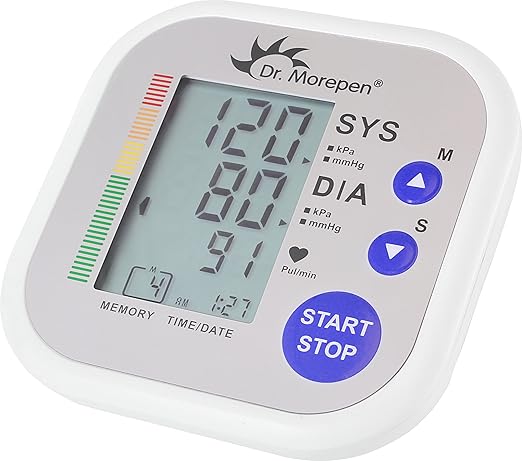
Dr. Morepen Blood Pressure Monitor
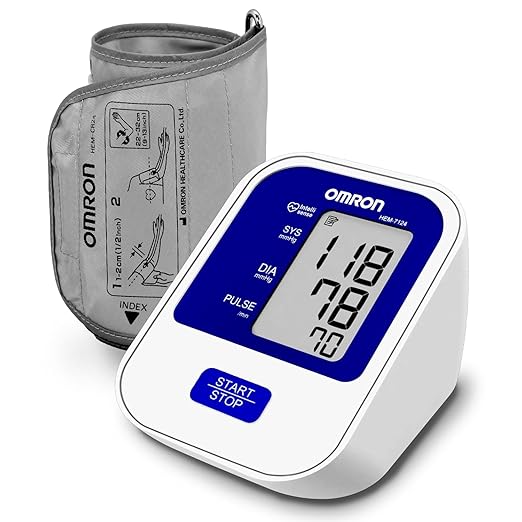
Omron HEM 7124 Fully Automatic Digital Blood Pressure Monitor
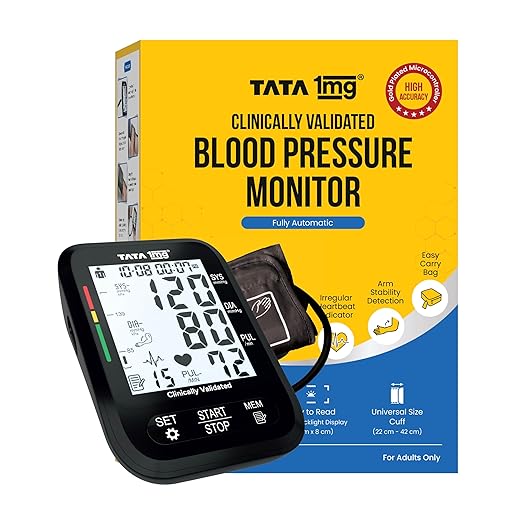
Tata 1mg Clinically Validated Blood Pressure Monitor
Key takeaway
Consistent and correct home monitoring is essential for identifying hypertension early. Small errors in technique—such as poor posture or incorrect cuff placement—can significantly distort readings. Following a structured routine ensures more dependable results and better health decisions.
Disclaimer: This content is for informational purposes only and should not be considered a substitute for professional medical advice. Always consult a qualified healthcare provider for diagnosis and treatment.
ALSO READ: PCOS Symptoms Every Woman Should Know