
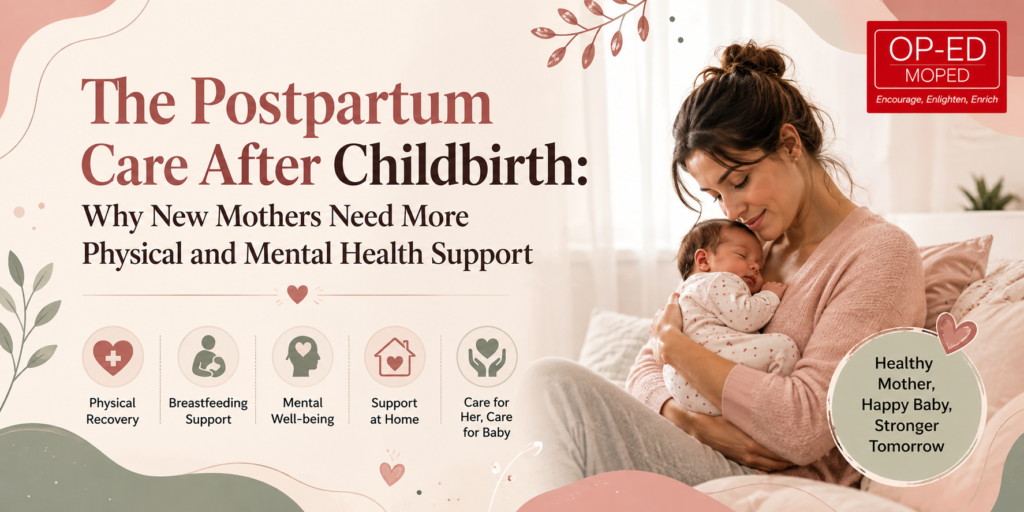
Pregnancy and childbirth often receive extensive medical attention, but what happens after delivery can be very different. For many new mothers, medical and emotional support drops sharply once they leave the hospital, creating what healthcare professionals describe as the “postpartum gap.”
The weeks following childbirth are a crucial period of recovery. A new mother’s body undergoes hormonal changes, physical healing and emotional adjustments, while she simultaneously adapts to caring for a newborn. Yet, in many cases, the focus quickly shifts to the baby, leaving the mother’s own health needs overlooked.
“Postpartum health is just as important as prenatal care. The postpartum period is often called the fourth trimester of pregnancy,” explains Dr Sushma K, Consultant Obstetrician and Gynaecologist, Apollo Hospitals, Seshadripuram, Bangalore.
According to her, comprehensive postnatal check-ups are important to ensure that the mother’s body is recovering appropriately after childbirth.
Experts say better postpartum care after childbirth is essential to protect both the physical and mental well-being of new mothers.
What Is the Postpartum Gap?
The postpartum gap refers to the lack of consistent medical and emotional support that many women experience after giving birth.
While pregnancy typically involves regular check-ups and childbirth takes place under medical supervision, follow-up care can become less structured after discharge. Mothers may be left to manage issues related to recovery, breastfeeding, sleep, pain and emotional health largely on their own.
This is particularly concerning because the early postpartum period is medically sensitive. Physical recovery, hormonal changes and emotional adjustments can all affect a woman’s well-being.
The postpartum period should therefore not be viewed simply as the time when a mother returns home with her newborn. It is an important stage of maternal healthcare that requires continued monitoring.
What Health Checks Does a New Mother Need After Childbirth?
According to Dr Sushma K, postpartum health assessments should cover several aspects of a woman’s physical and emotional well-being.
1. Postnatal Check-Up
A traditional postnatal check-up is often scheduled around six weeks after delivery. However, some assessments may need to happen much earlier.
For example, mothers may need to be assessed within the first week after childbirth for wound healing and breastfeeding-related concerns, particularly if they are experiencing difficulties.
A physical examination may include checking:
- Blood pressure and temperature
- Healing of perineal tissues following tears or an episiotomy
- Healing of an abdominal incision following a C-section
- Involution of the uterus, or its return towards its pre-pregnancy size
- Whether postpartum bleeding, known as lochia, is within the expected range
These checks can help healthcare professionals identify complications or concerns that may otherwise go unnoticed at home.
Why Postpartum Care Is Important After Delivery
Postpartum recovery involves much more than getting enough rest. New mothers can experience problems such as high blood pressure, extreme fatigue and delayed wound healing, particularly following a C-section.
Regular medical monitoring during the early days can help identify concerns and ensure that recovery is progressing appropriately.
Physical recovery can also involve rebuilding core strength and addressing pelvic health. In some cases, professional physiotherapy may help support recovery and reduce longer-term difficulties.
Pelvic Floor Health Also Needs Attention
Pregnancy and delivery can place considerable strain on the pelvic floor muscles. Some women may experience weakness or discomfort following childbirth, while others may notice changes in bladder or bowel control.
Dr Sushma highlights pelvic floor health as an important component of postpartum recovery.
Targeted pelvic floor physiotherapy or specialised exercises, when recommended by a healthcare professional, can help women work towards restoring pelvic floor and core strength.
Postpartum care should therefore look beyond visible wounds and include aspects of recovery that may not always be discussed openly.
Breastfeeding Support Is an Important Part of Postpartum Recovery
Breastfeeding can be challenging, especially during the first few weeks. Without appropriate guidance, new mothers may experience problems such as breast engorgement or mastitis.
Access to a lactation consultant can help mothers understand feeding techniques, address breastfeeding difficulties and receive practical support during this transition.
Breastfeeding support should therefore be considered an important part of comprehensive postpartum care rather than an issue mothers are expected to figure out on their own.
Early assessment can be particularly useful when a mother is experiencing pain, difficulty with feeding or concerns about whether breastfeeding is progressing as expected.
Blood Tests and Nutritional Monitoring After Childbirth
Recovery after delivery can also require attention to a mother’s blood and nutritional health.
Dr Sushma notes that a complete blood count may be performed to assess haemoglobin and iron levels. Depending on the mother’s pregnancy history and complications, additional tests may also be recommended.
For example, thyroid function may need to be assessed in appropriate cases, while women who experienced gestational diabetes may require blood glucose testing or follow-up as advised by their doctor.
This is important because nutritional deficiencies or conditions that developed during pregnancy can continue to affect a mother’s health after delivery.
Mental Health Screening Should Be Part of Postpartum Care
Physical recovery is only one part of postpartum health. Mental health after childbirth also requires attention.
Emotional changes are common following delivery, partly because of significant hormonal fluctuations and the major adjustment involved in becoming a parent. However, persistent or severe symptoms should not simply be dismissed as a normal part of motherhood.
The commonly experienced “baby blues” are generally short-lived. However, when symptoms such as persistent sadness, anxiety, fatigue or sleep disturbances continue or become severe, they may indicate postpartum depression or anxiety and should be discussed with a healthcare professional.
Screening tools such as the Edinburgh Postnatal Depression Scale (EPDS) can help healthcare professionals identify women who may need further evaluation and support.
Other conditions, including postpartum anxiety and postpartum psychosis, can also occur and require appropriate medical attention.
Why Postpartum Mental Health Support Matters
New mothers may experience emotional stress alongside physical recovery, sleep disruption, breastfeeding challenges and the demands of caring for a newborn.
For some women, limited family support, relationship difficulties, work-related pressures or financial concerns can make the transition particularly challenging.
This is why postpartum care should not focus exclusively on physical examinations. A conversation about mood, anxiety, sleep, emotional well-being and the support available at home can be an important part of maternal healthcare.
Women should also feel comfortable telling their healthcare providers when they are struggling rather than feeling that they are expected to cope silently.
Contraception and Family Planning After Childbirth
Family planning is another important part of postpartum healthcare that can sometimes be overlooked.
Dr Sushma points out that ovulation can occur before menstruation returns after childbirth. This means that the absence of a menstrual period does not necessarily mean that pregnancy is impossible.
Discussing contraception with a healthcare professional can help women understand which options are appropriate for them, including options that take breastfeeding and individual health considerations into account.
Postpartum consultations can therefore provide an opportunity to discuss contraception and safely plan the spacing of future pregnancies.
Bridging the Gap Between Hospital and Home
One of the biggest challenges for new mothers is the transition from hospital care to home care.
After discharge, women may have questions about feeding, sleep, physical discomfort or their recovery but may not have easy access to medical advice.
A stronger connection between hospitals and homes could help address this problem. Regular follow-up appointments, home consultations and accessible medical helplines could provide mothers with timely guidance during the early weeks after delivery.
Early follow-up is particularly important when a mother has had a C-section, significant perineal trauma, pregnancy-related complications or breastfeeding difficulties.
Why Urban Mothers May Need More Postpartum Support
Urban motherhood can come with its own challenges. Limited family support, demanding work environments and financial pressures can leave new mothers feeling isolated during an already demanding period.
For some women, relationship pressures or an unexpected pregnancy may add further emotional strain.
Another concern is the lack of consistent mental health screening. Greater awareness and timely screening could help women receive appropriate support sooner.
Postpartum support may therefore need to extend beyond the hospital and involve healthcare professionals, partners, family members and other support systems.
What Should Comprehensive Postpartum Care Include?
Effective postpartum care should address the mother as well as the newborn. A more integrated approach can bring physical recovery, breastfeeding assistance, reproductive health and mental health support together.
Based on the areas highlighted by Dr Sushma and broader postpartum care needs, important elements can include:
- Regular postpartum follow-up appointments
- Early assessment of wound healing and physical recovery
- Blood pressure and other appropriate physical health checks
- Breastfeeding and lactation support
- Pelvic floor and physiotherapy support when appropriate
- Mental health screening for depression and anxiety
- Counselling or therapy when needed
- Blood tests and nutritional monitoring when medically indicated
- Contraception and family planning counselling
- Education and support for partners and family members
The exact schedule and investigations will vary depending on the mother’s delivery, medical history and individual recovery.
Supporting the Mother Is Part of Caring for the Baby
The postpartum period is an important stage of maternal healthcare, but it can easily be overshadowed by the needs of the newborn.
Supporting a new mother does not end when she leaves the hospital. Physical recovery, breastfeeding challenges, pelvic health, reproductive planning and emotional well-being all deserve continued attention in the weeks and months following childbirth.
As Dr Sushma explains, postpartum health is an important continuation of the care women receive during pregnancy.
Closing the postpartum gap requires greater awareness, better continuity of care and stronger emotional and practical support for new mothers.
A healthier approach to motherhood is one in which women are given the opportunity not only to recover from childbirth, but also to feel supported and confident as they begin life with their new baby.
Disclaimer: This article is for informational purposes only and should not replace advice, diagnosis or treatment from a qualified healthcare professional.
ALSO READ
PCOS Symptoms Every Woman Should Know