
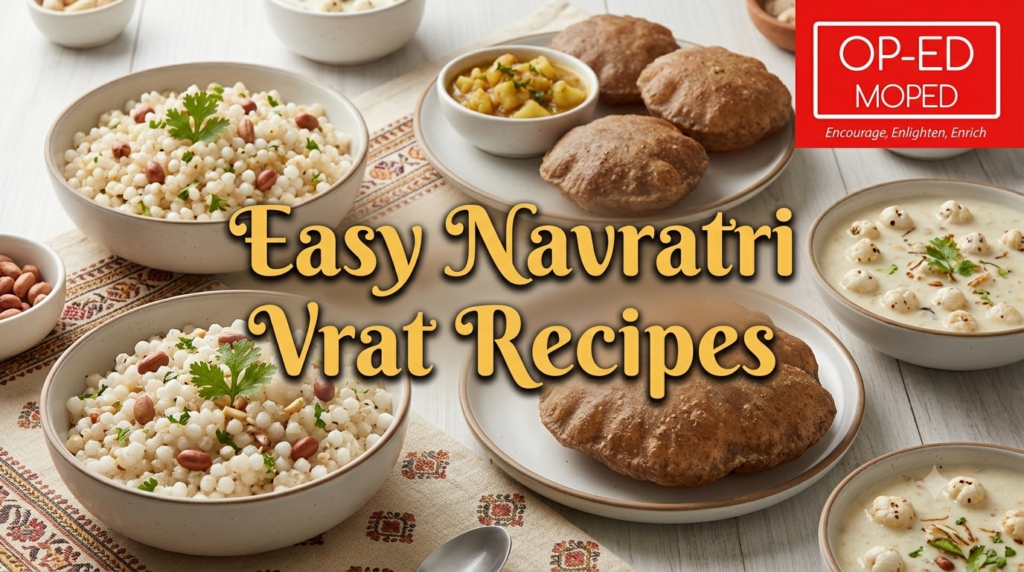
Easy Navratri Vrat Recipes: Navratri fasting does not have to mean eating the same sabudana khichdi every day. From crispy kuttu puris and creamy makhana kheer to refreshing fruit chaat and filling sama rice pulao, there are plenty of ways to make your vrat meals interesting.
If you are searching for easy Navratri vrat recipes, this list brings together 15 simple dishes that can work for breakfast, lunch, snacks, dinner and dessert.
Common Navratri fasting ingredients include sabudana, kuttu atta, singhara atta, rajgira, sama rice, potatoes, sweet potatoes, makhana, fruits, dairy products, nuts and sendha namak. However, fasting traditions differ between families and regions, so check the rules followed in your household before preparing any recipe.
What Can You Eat During Navratri Vrat?
For many people observing Navratri, regular grains, lentils, onion, garlic and table salt are avoided. Ingredients such as buckwheat (kuttu), water chestnut flour (singhara), amaranth (rajgira), sabudana, sama rice, potatoes, fruits, dairy, nuts and makhana are commonly used instead.
Spices also depend on individual fasting traditions. Sendha namak, cumin, black pepper and green chilli are commonly used in many vrat preparations.
Now, let’s get to the recipes.
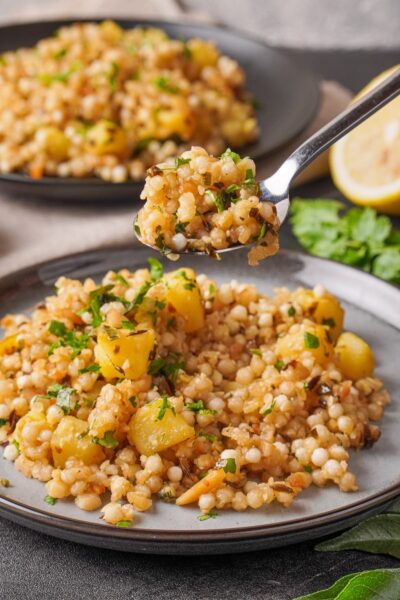
1. Sabudana Khichdi
A classic Navratri vrat recipe, sabudana khichdi is an easy option for breakfast or lunch.
Soak sabudana until the pearls soften, then cook them with roasted peanuts, boiled potato, cumin, green chilli and sendha namak. Finish with lemon juice and fresh coriander if permitted in your household.
Tip: Avoid over-soaking the sabudana, as it can turn mushy while cooking.
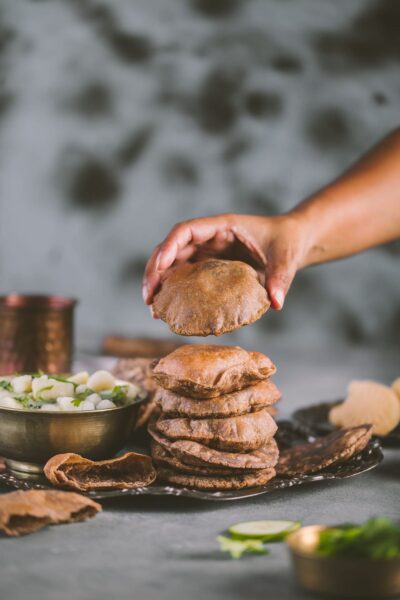
2. Kuttu Ki Puri
Kuttu ki puri can turn a simple fasting meal into a satisfying lunch or dinner.
Combine kuttu atta with mashed potato, sendha namak and water to make a soft dough. Roll small puris and deep-fry until puffed.
Serve with vrat-friendly potato curry or plain yoghurt.
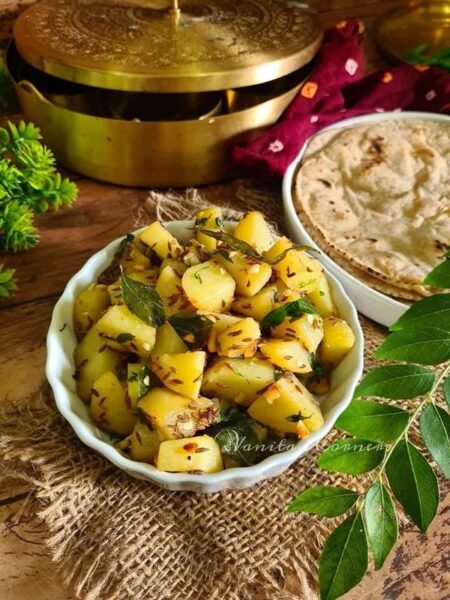
3. Vrat Wale Aloo
Looking for a quick side dish? Vrat wale aloo require very few ingredients.
Cook boiled potatoes with cumin, green chilli, ginger, black pepper and sendha namak. Add lemon juice at the end for a fresh, tangy flavour.
They work particularly well with kuttu or singhara puris.
4. Sama Rice Pulao
Sama rice, also known as barnyard millet, is commonly used as a rice substitute during Navratri fasting.
Cook soaked sama rice with potato, peanuts, cumin, green chilli and permitted vegetables. Keep the seasoning simple for a light but filling meal.
Best for: Lunch or dinner when you want something more substantial than a snack.
5. Sabudana Vada
Crispy on the outside and soft inside, sabudana vada is one of the most popular fasting snacks.
Mix soaked sabudana with mashed potato, roasted crushed peanuts, green chilli and sendha namak. Shape into small patties and fry until golden.
For a lighter version, you can pan-cook or air-fry them.
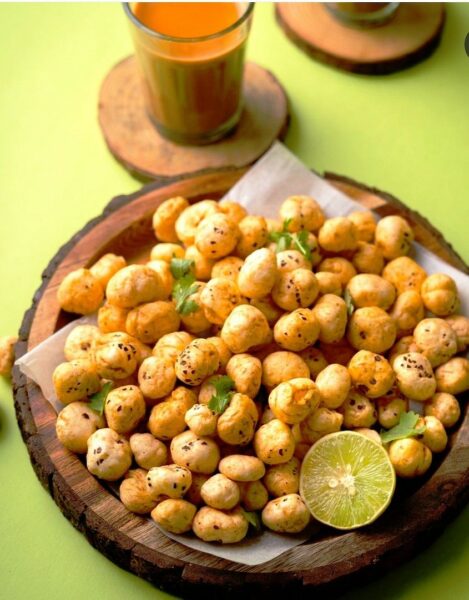
6. Makhana Chaat
If you want a quick Navratri fasting snack, try makhana chaat.
Roast makhana until crisp and combine with diced boiled potato, cucumber, peanuts, lemon juice, coriander and sendha namak.
It takes only a few minutes once the ingredients are prepared.
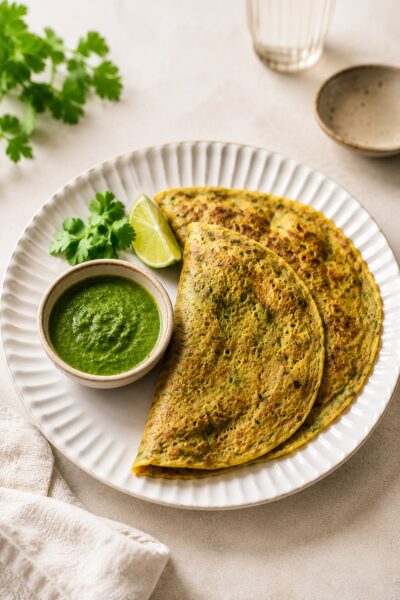
7. Singhara Atta Cheela
Singhara atta, or water chestnut flour, is another commonly used fasting flour.
Make a pourable batter with singhara atta, water, grated potato, green chilli and permitted seasonings. Cook like a savoury pancake on a lightly greased pan.
Serve hot with plain yoghurt or a vrat-friendly chutney.
8. Aloo Tikki
Give regular potatoes a festive makeover with vrat-friendly aloo tikki.
Mash boiled potatoes with roasted peanut powder, green chilli, coriander, cumin and sendha namak. Shape into small patties and cook on a pan with a little ghee or oil.
Serve with yoghurt and a permitted homemade chutney.
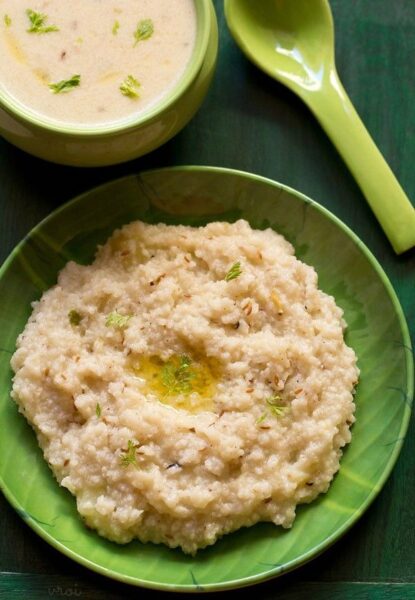
9. Samak Rice Khichdi
For a comforting one-pot meal, try samak rice khichdi.
Cook soaked sama rice with potatoes, peanuts, cumin and mild spices. Adjust the consistency depending on whether you prefer a pulao-like dish or softer khichdi.
It is particularly useful when you want an easy Navratri dinner recipe without spending too much time in the kitchen.
10. Makhana Kheer
Navratri desserts do not have to be complicated.
Roast makhana, crush some of it and simmer it in milk with cardamom and a little sugar. Add chopped almonds or other permitted nuts before serving.
Makhana kheer is a simple dessert that can also double as a sweet breakfast or evening meal.
11. Sweet Potato Chaat
Sweet potatoes make an easy base for a filling fasting snack.
Boil or roast sweet potatoes, then cut them into cubes. Toss with lemon juice, roasted cumin, coriander, peanuts and sendha namak.
You can prepare a bowl in advance and refrigerate it for a quick snack.
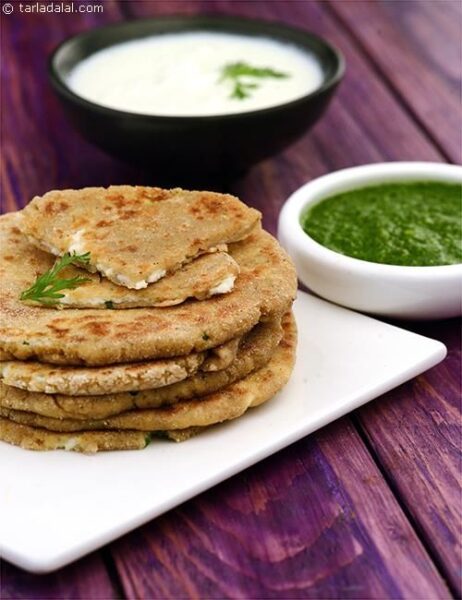
12. Rajgira Paratha
Rajgira, or amaranth, is another flour commonly used in vrat cooking. It can be used to prepare breads, puris and other fasting dishes.
Mix rajgira flour with mashed potato and seasonings to make a soft dough. Roll carefully between sheets if needed and cook the paratha on a hot tawa with a little ghee.
Pair it with yoghurt or a vrat-friendly vegetable preparation.
13. Fruit Chaat
When you want something that requires almost no cooking, make fruit chaat.
Combine seasonal fruits such as apple, banana, pomegranate, papaya or pear with lemon juice and a small amount of sendha namak.
It makes an easy breakfast, snack or light meal during fasting.
14. Vrat Kadhi
If you are tired of potato-based vrat meals, vrat kadhi is worth adding to the menu.
Prepare a yoghurt-based kadhi using a fasting-friendly flour such as singhara or rajgira flour, depending on your household’s fasting rules. Temper it with cumin and other permitted spices.
Serve hot with sama rice for a comforting meal.
15. Sabudana Kheer
End your Navratri meal with a simple sabudana kheer.
Soak sabudana, then cook it gently in milk until the pearls become translucent and soft. Add sugar, cardamom and chopped nuts.
It can be served warm or chilled, making it a versatile Navratri vrat dessert.
Easy Navratri Vrat Meal Plan
If you are observing the fast for several days, you can rotate these recipes rather than eating the same dish repeatedly.
| Meal | Recipe Ideas |
|---|---|
| Breakfast | Sabudana khichdi, singhara cheela, fruit chaat |
| Lunch | Sama rice pulao, kuttu puri with aloo, rajgira paratha |
| Evening snack | Makhana chaat, sabudana vada, sweet potato chaat |
| Dinner | Samak rice khichdi, vrat kadhi, kuttu puri |
| Dessert | Makhana kheer, sabudana kheer |
How to Make Navratri Vrat Cooking Easier
Soak sabudana correctly: The texture of sabudana dishes depends heavily on soaking. Give the pearls enough time to soften without leaving them swimming in excess water.
Keep fasting staples ready: Stock kuttu atta, singhara atta, rajgira flour, sabudana, sama rice, makhana, peanuts and potatoes before Navratri begins.
Roast makhana and peanuts in advance: Store them in an airtight container so you can quickly make chaat, snacks or toppings.
Boil potatoes ahead: Keeping boiled potatoes refrigerated can make several vrat recipes considerably faster to prepare.
Check packaged ingredients: Some commercial spice mixes, sauces and snacks can contain ingredients that may not fit your family’s fasting rules. Always check the ingredient label.
Don’t assume every household follows the same rules: Navratri fasting practices vary by region, family and religious tradition. What is permitted for one person may not be permitted for another.
The Bottom Line
From sabudana khichdi and kuttu puri to sama rice pulao, makhana kheer and fruit chaat, Navratri vrat food can be varied, flavourful and surprisingly easy to prepare.
The key is to keep a few versatile fasting ingredients in your kitchen and rotate them across different recipes. Before cooking, simply make sure each ingredient fits the fasting tradition you follow.
With these 15 easy Navratri vrat recipes, you can plan everything from breakfast and snacks to lunch, dinner and dessert without relying on the same dish throughout the festival.
Note: Navratri fasting practices vary across regions and households. This article provides commonly used vrat food ideas and is not a substitute for your family’s specific religious fasting rules or medical dietary advice.
ALSO READ
10 Easy High-Protein Indian Breakfasts for Busy Mornings