
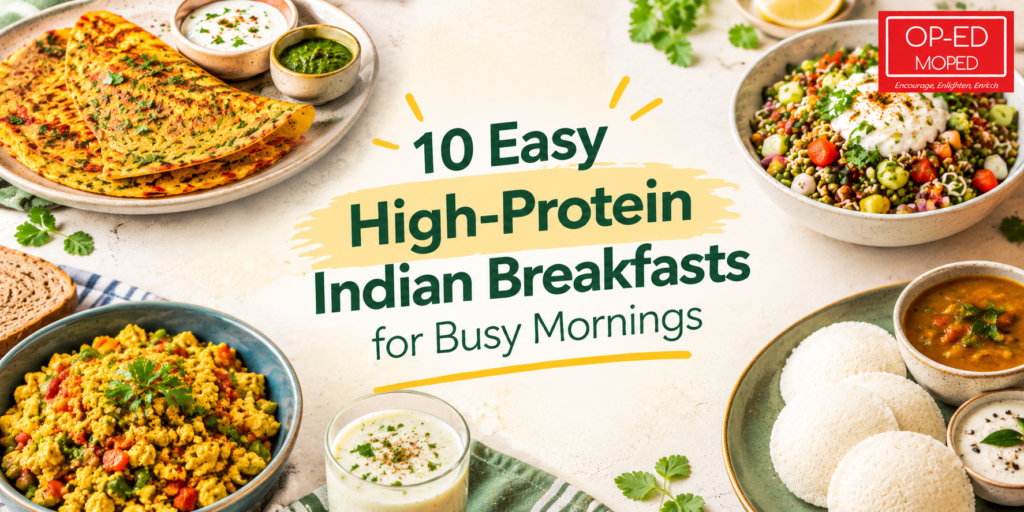
Easy High-Protein Indian Breakfasts for Busy Mornings:If your usual breakfast is poha, toast, biscuits with chai, plain dosa or a bowl of cereal, adding more protein can make the meal more balanced without completely changing the way you eat.
The good news is that you do not need protein powder, imported ingredients or complicated meal prep to make a protein-rich Indian breakfast.
Everyday foods such as moong dal, besan, paneer, eggs, curd, sprouts, soy, sattu and peanuts can turn familiar Indian breakfast dishes into more filling meals.
The key is not to chase an arbitrary “high-protein” number for every breakfast. Protein needs vary according to body size, age, activity level and health status. India’s National Institute of Nutrition (NIN) lists reference protein allowances of 60 g/day for sedentary adult men and 55 g/day for sedentary adult women in its Dietary Guidelines for Indians.
So rather than trying to make breakfast extremely high in protein, a practical approach is to make protein one of the main components of the meal.
10 Easy High-Protein Indian Breakfast Ideas
| Breakfast | Vegetarian | Eggs | Prep effort | Best for |
|---|---|---|---|---|
| Moong dal chilla with curd | Yes | No | Medium | Make-ahead mornings |
| Besan chilla with paneer | Yes | No | Easy | Quick vegetarian breakfast |
| Paneer bhurji toast | Yes | No | Very easy | Busy weekdays |
| Egg bhurji with roti/toast | No | Yes | Very easy | Fastest savoury option |
| Sprouts chaat with curd | Yes | No | Very easy | No-cook/low-cook mornings |
| Savoury oats with egg or paneer | Yes | Optional | Easy | Oats lovers |
| Tofu bhurji with roti | Yes | No | Easy | Dairy-free option |
| Sattu breakfast bowl/chaas | Yes | No | Very easy | Minimal cooking |
| Protein-boosted poha | Yes | Optional | Easy | Traditional breakfast lovers |
| Idli + sambar + curd | Yes | No | Easy if batter is ready | South Indian breakfast |
1. Moong Dal Chilla With Curd
Best for: vegetarians who want a traditional, savoury breakfast.
Moong dal chilla is one of the easiest ways to make pulses the star of breakfast. Soaked moong dal is blended with ginger, green chilli, cumin and salt, then cooked like a thin savoury pancake.
Serve two chillas with plain curd or thick dahi.
To make it more filling:
- Add finely chopped onion, tomato, spinach or coriander.
- Stuff with paneer for an additional protein source.
- Serve with curd instead of relying only on chutney.
- Keep soaked dal refrigerated if you are preparing batter ahead.
Important time-saving tip: the actual cooking is quick, but soaking the dal is not. Don’t describe this as a five-minute breakfast unless the batter has already been prepared.
2. Besan Chilla With Paneer
Best for: a genuinely quick vegetarian breakfast.
Besan chilla is particularly useful on mornings when you don’t have soaked dal ready. Mix besan with water, spices and chopped vegetables, then cook it on a hot tawa.
For a more protein-focused version, add crumbled paneer to the centre before folding.
A common problem with besan chilla is batter that is too thin or flipping before the first side has set. Recent cooking guidance also highlights batter consistency, resting and pan temperature as factors in preventing chillas from tearing.
Easy combination:
Besan chilla + paneer filling + curd
This gives you multiple protein-containing foods in one meal without needing a supplement.
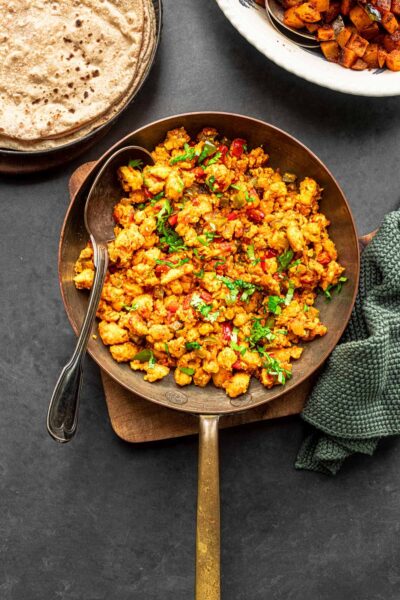
3. Paneer Bhurji With Whole-Wheat Toast or Roti
Best for: people who want breakfast ready in about 10 minutes.
Paneer bhurji is one of the easiest ways to turn a familiar Indian ingredient into a substantial breakfast.
Crumble paneer and cook it with onion, tomato, capsicum, turmeric, cumin and your preferred spices. Serve it with whole-wheat toast or a small roti.
You can also prepare the bhurji the night before and reheat it in the morning.
Make it more balanced by adding:
- a vegetable such as capsicum or spinach
- whole-wheat roti or toast
- fruit on the side
- plain curd if you want another dairy component
The point is not to eliminate carbohydrates. A balanced breakfast can contain protein, carbohydrates, fats and fibre.
4. Egg Bhurji With Roti or Toast
Best for: non-vegetarians who want the fastest protein-rich breakfast.
Eggs are one of the simplest breakfast proteins because they require almost no preparation.
Make a basic Indian egg bhurji with eggs, onion, tomato, green chilli and coriander. Pair it with whole-wheat toast or roti rather than eating the eggs alone.
For a more substantial breakfast, add vegetables such as spinach, mushrooms, capsicum or tomatoes.
If you have only 10 minutes:
Egg bhurji + whole-wheat toast + fruit is a considerably more complete breakfast than chai and biscuits.
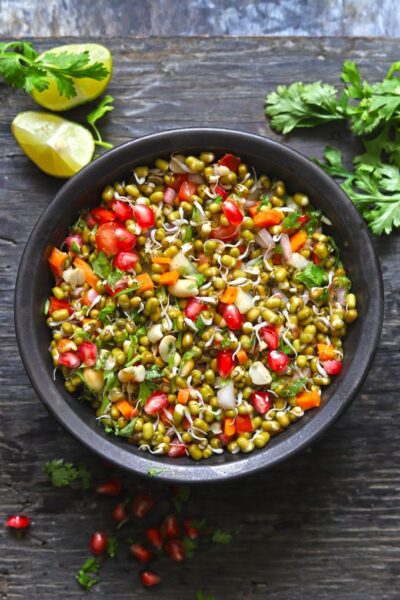
5. Sprouts Chaat With Curd
Best for: people who dislike cooking first thing in the morning.
Sprouts chaat can be assembled rather than cooked from scratch.
Combine sprouts with:
- cucumber
- tomato
- onion
- coriander
- lemon juice
- roasted cumin
- black pepper
Add plain curd or thick dahi to make the meal more substantial.
If you regularly prepare sprouts at home, portioning them in advance can make weekday breakfast almost assembly-only.
For extra variety: add roasted peanuts or seeds, but remember that nuts and seeds also contribute calories, so the quantity matters if you are watching overall energy intake.
6. Savoury Oats With Egg or Paneer
Best for: people who want a quick breakfast but don’t enjoy sweet oats.
Oats don’t have to mean a bowl of sweet porridge.
Cook oats with vegetables, cumin, black pepper and spices. Then add either scrambled egg, paneer or tofu.
This changes the role of oats: instead of being the main protein source, they provide the carbohydrate and fibre base while another ingredient supplies more protein.
Try this combination:
Oats + vegetables + paneer + coriander + lemon
or
Oats + vegetables + egg + black pepper
This is also a useful way to make a familiar Western-style breakfast ingredient work with Indian flavours.
7. Tofu Bhurji With Roti
Best for: vegetarians looking for a dairy-free option.
Tofu can be cooked in much the same way as paneer bhurji.
Crumble firm tofu and sauté it with onion, tomato, capsicum, turmeric, cumin and coriander. Serve with roti.
For people who don’t eat eggs or dairy, tofu and other soy foods can be useful additions to a varied protein intake. WHO guidance also lists legumes and soy foods among useful protein sources in a varied diet.
Buying tip: check the nutrition label rather than assuming every tofu product contains the same amount of protein.
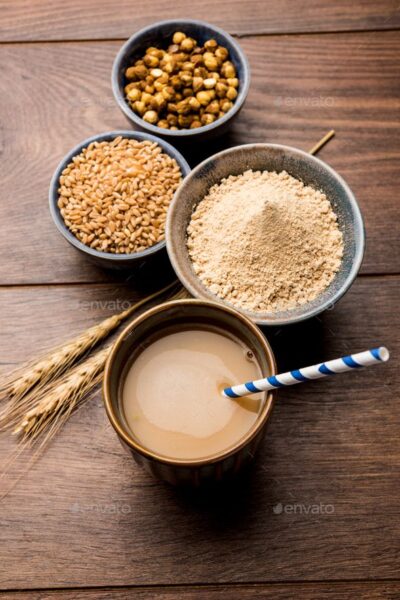
8. Sattu Breakfast Bowl or Chaas
Best for: minimal-cooking mornings.
Sattu is roasted gram flour and can be used in both savoury and drinkable breakfasts.
For a savoury version, mix sattu with chopped onion, coriander, lemon juice, cumin and spices and add enough water to reach your preferred consistency.
For a drink, mix sattu with water or chaas, cumin, lemon and coriander.
This works particularly well in Indian summers because it requires very little cooking.
Make it more complete: pair a sattu preparation with curd, fruit or another protein-containing food rather than treating one drink as your entire breakfast every day.
9. Protein-Boosted Poha
Best for: people who don’t want to give up their favourite Indian breakfast.
You don’t have to stop eating poha to make breakfast more protein-conscious.
Instead, upgrade it.
Start with your usual poha and add:
- peanuts
- peas
- sprouts
- roasted chana
- vegetables
You can also serve it with curd on the side.
This illustrates an important principle: you don’t always need a completely new recipe. Sometimes adding one or two protein-containing foods to a familiar breakfast is easier to sustain.
Poha on its own is not the first dish I’d choose when the specific goal is a protein-focused breakfast. But a protein-boosted version can fit comfortably into a varied diet.
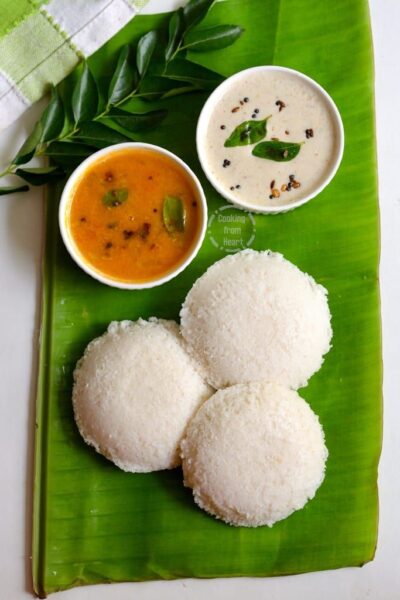
10. Idli With Sambar and Curd
Best for: South Indian breakfast lovers.
Idli is convenient and light, but the protein content of the complete meal depends heavily on what you serve with it.
Instead of eating idli with only coconut chutney, build the plate around:
Idli + dal-based sambar + curd
Sambar adds pulses, while curd contributes another protein-containing food.
This is a good example of why the whole breakfast matters more than labelling one individual food as “high protein.”
You don’t need to abandon traditional Indian breakfasts. You can often improve their protein profile simply by changing the accompaniments.
How To Make Almost Any Indian Breakfast More Protein-Rich
If you already have a breakfast routine, you don’t need to replace it.
Use this simple formula:
1. Start with a protein anchor
Choose one:
- eggs
- paneer
- curd/dahi
- tofu
- moong dal
- besan
- sprouts
- chana
- sattu
- soy foods
2. Add a carbohydrate you actually enjoy
Examples include:
- roti
- whole-wheat bread
- oats
- poha
- idli
- dosa
- millet-based dishes
- other whole-grain foods
3. Add vegetables or fruit
This helps make breakfast more varied and adds fibre and micronutrients.
WHO recommends a varied diet built around foods including vegetables, fruits, legumes and whole grains rather than focusing on a single nutrient in isolation.
4. Add another protein source when appropriate
This is the easiest upgrade.
For example:
Poha → poha + sprouts + curd
Chilla → chilla + paneer + curd
Toast → toast + egg bhurji
Oats → oats + paneer/tofu/egg
Idli → idli + sambar + curd
What Are the Best Indian Foods for a High-Protein Breakfast?
There is no single “best” ingredient for everyone.
A practical shortlist is:
| Food | Why it works at breakfast |
|---|---|
| Eggs | Quick to cook and versatile |
| Paneer | Easy to add to bhurji, chilla and wraps |
| Curd/dahi | Requires little or no cooking |
| Moong dal | Works well in chilla and dosa-style preparations |
| Besan | Convenient for instant chillas |
| Sprouts | Useful for quick salads and chaats |
| Tofu | Dairy-free protein option |
| Sattu | Minimal preparation |
| Chana | Can be used in chaat or savoury bowls |
| Soy foods | Useful plant-based option |
The important distinction is between a protein-containing food and a genuinely protein-focused meal. Combining a protein anchor with another complementary food is often more practical than expecting one ingredient to do everything.
How Much Protein Should You Have at Breakfast?
There is no universal breakfast-specific protein target that applies to every adult.
Protein requirements vary according to body weight, age, sex, activity level and health circumstances.
For context, NIN’s Dietary Guidelines for Indians lists reference protein allowances of 60 g/day for sedentary adult men and 55 g/day for sedentary adult women under its specified reference body weights. Requirements can differ for other groups and circumstances.
WHO likewise notes that protein requirements depend on individual circumstances and that a healthy diet should balance protein with other nutrients rather than focusing on protein alone.
So instead of obsessing over whether breakfast contains exactly 20, 25 or 30 grams, ask:
“What is the main protein source in my breakfast?”
If the answer is usually “none”, that’s the easiest place to start.
The Bottom Line
The easiest way to eat a higher-protein Indian breakfast is not to completely change what you eat.
Instead, take a familiar breakfast and give it a protein anchor.
Add paneer to chilla, curd to poha, sambar to idli, eggs to toast or tofu to a savoury breakfast bowl.
And if you’re short on time, choose recipes such as paneer bhurji, egg bhurji, besan chilla or sprouts chaat that require little preparation.
A good breakfast should not only look nutritious. It should be affordable, familiar, satisfying and realistic enough to make again tomorrow.
FAQs
1. What is the easiest high-protein Indian breakfast?
Besan chilla, paneer bhurji, egg bhurji and sprouts chaat are among the easiest options because they require relatively little cooking or preparation. Moong dal chilla is another useful option when the batter has been prepared in advance.
2. What is a high-protein vegetarian Indian breakfast without eggs?
Try moong dal chilla with curd, besan chilla with paneer, paneer bhurji with roti, tofu bhurji or sprouts chaat with curd.
3. Can I eat a high-protein breakfast without protein powder?
Yes. Eggs, paneer, curd, pulses, legumes, sprouts, tofu, soy foods and sattu can all contribute protein without requiring a supplement.
4. Is poha good for a high-protein breakfast?
Plain poha isn’t particularly protein-focused, but it can be upgraded with sprouts, peanuts, roasted chana, peas and curd. The complete meal matters more than the poha alone.
5. Which Indian breakfast is good for weight loss?
There is no single breakfast that guarantees weight loss. A practical choice is a meal containing protein, fibre-rich foods and an appropriate portion of carbohydrates while fitting your overall calorie and nutritional needs.
6. How can I add more protein to my normal Indian breakfast?
Add a protein-containing side or topping. Try curd with poha, paneer with chilla, eggs with toast, sambar with idli or tofu with roti.
7. Is dosa high in protein?
Dosa contains protein because its batter includes lentils, but the amount depends on the recipe and serving size. Pairing dosa with dal-based sambar and curd can make the overall breakfast more protein-rich.
8. Can I eat high-protein breakfast every day?
Protein is an essential part of a balanced diet, but variety matters. Rotate different protein sources and include vegetables, fruits, whole grains and other foods rather than eating the same breakfast every day. WHO recommends dietary diversity and balance rather than concentrating on one nutrient.
ALSO READ
Best Herbal Teas to Drink During Monsoon for Digestion and Wellness